What Is the Biggest Mistake in Dental Practice Valuation?
The biggest mistake dentists make when valuing a dental practice is relying on emotional value or “sweat equity” instead of using objective market data, financial performance, and buyer-driven valuation methods.
Selling a dental practice is one of the biggest financial decisions most dentists will ever make. At Consani Associates, we work exclusively in practice sales and dental practice transition planning across the Pacific Northwest, helping dentists understand what their practice is truly worth and how to avoid costly missteps along the way.
With more dentists reaching retirement age and continued population growth across the PNW, interest in buying established practices remains strong. However, a successful sale starts with an accurate dental practice valuation. Too often, sellers try to value a practice on their own and unintentionally leave money on the table or price themselves out of the market entirely.
Below are some of the most common seller mistakes we see when dentists attempt to estimate their own dental practice valuation.
Common Dental Practice Valuation Mistakes
- Overestimating emotional or “sweat equity” value
- Ignoring current market data and trends
- Using outdated valuation formulas
- Mispricing equipment and assets
- Ignoring performance trends in financials
- Valuing based on potential instead of actual performance
- Skipping professional valuation services
Overestimating “Sweat Equity” and Emotional Value
It’s completely normal to feel deeply connected to a practice you’ve built over decades. Long hours, loyal patients, and a strong reputation all matter, but they don’t always translate directly into dollars.
One of the most common seller mistakes is assuming that emotional value or “sweat equity” automatically increases price. Buyers, however, base decisions on performance, risk, and growth potential, not personal history. A realistic dental practice appraisal separates emotion from market reality, helping you sell your dental practice at a price buyers are willing (and able) to pay.
Ignoring Current Market Data

Another major pitfall is relying on outdated or anecdotal information instead of real-time market data. Values change based on interest rates, buyer demand, lending standards, and regional trends.
A local dental broker like Consani Associates understands Pacific Northwest-specific buying patterns, including population shifts and competition across Alaska, Hawaii, Washington, Idaho, Montana, and Oregon. Ignoring these factors can lead to a practice valuation that doesn’t reflect what today’s buyers are paying, making it harder to sell a dental practice efficiently.
Using Outdated or One-Size-Fits-All Valuation Formulas
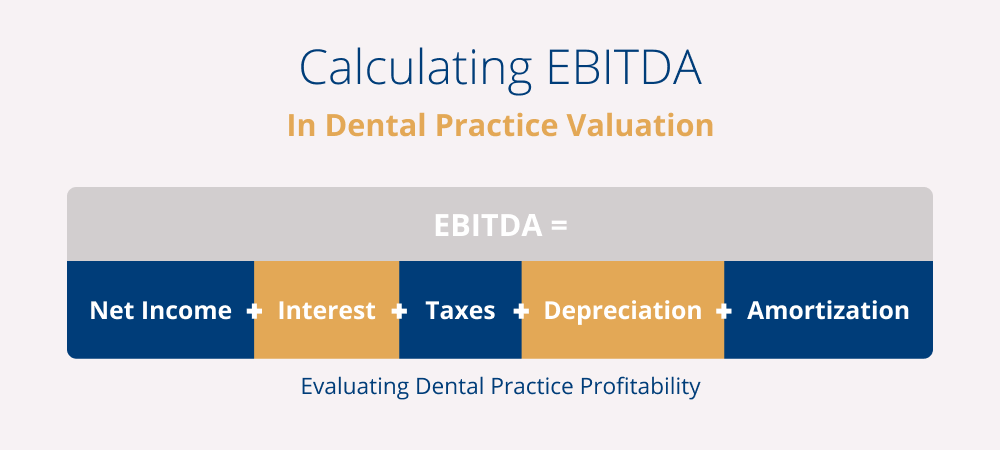
Simple valuation shortcuts, like applying a flat multiple to collections or EBITDA, can be misleading without proper context. A true dental practice appraisal looks at far more than surface-level numbers. Practice specialty types, insurance mix, provider reliance, real estate, and growth opportunities all impact value. Dentists who try to value a practice using generic formulas often misprice their practice and slow down the dental practice transition process.
Undervaluing or Overvaluing Equipment and Assets
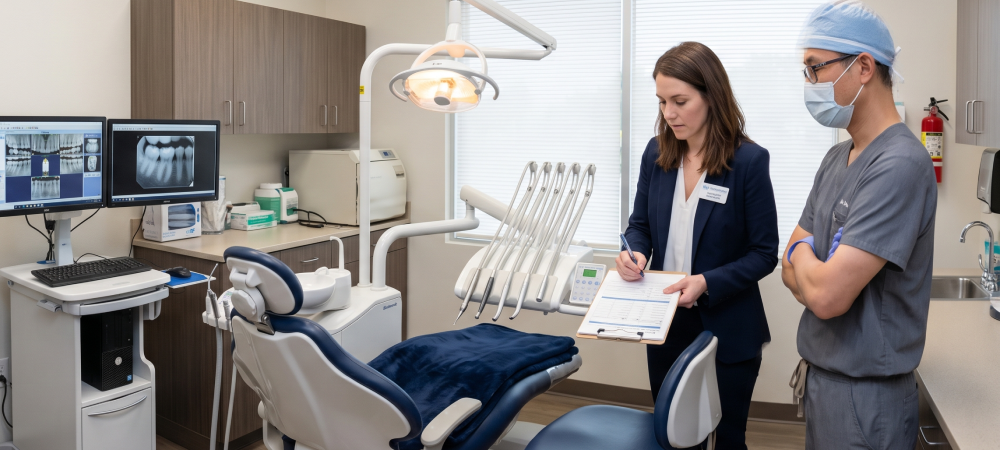
Equipment value is another area where sellers frequently miscalculate. Many assume equipment is worth close to its original purchase price, when in reality, resale value depends on age, condition, and market demand.
Why Equipment Value Is Often Miscalculated
Dental equipment is often misvalued because sellers assume original purchase price reflects current worth. In reality, value depends on age, condition, depreciation, and market demand at the time of sale.
At the same time, some sellers overestimate the value of leasehold improvements without accounting for depreciation or lease terms. These miscalculations directly affect dental practice valuation and buyer negotiations.
If maximizing value is your goal, learning how assets truly factor into a practice valuation is key. Learn more about how to maximize your sale price.
Not Adjusting for Practice Performance Trends
Buyers don’t just look at where your numbers are today; they look at where they’re heading. Ignoring recent declines or temporary revenue spikes can distort your practice valuation.
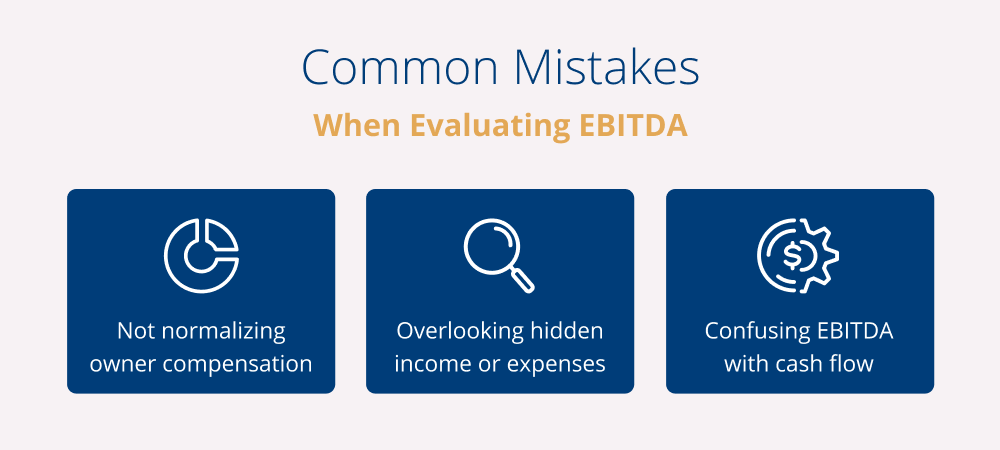
For example, failing to normalize financials for the one-time events like COVID-related disruptions or short-term associate changes can misrepresent performance. A professional dental practice appraisal accounts for trends and presents a clear, realistic picture that supports a smooth dental practice transition.
Selling on “Potential” Instead of Proven Performance
Another common error is attempting to justify a high sales price based on the future potential of the practice rather than proven performance. While it’s important to market the opportunities for future growth, buyers and lenders want to see evidence of reliable revenue, established patient flow, and consistent practice operations. Focusing your valuation on recent, measurable results rather than possible future outcomes builds buyer trust and positions your practice for a smoother sale.
Underestimating the True Cost of Do-It-Yourself Valuation
Many dentists underestimate the time and productivity lost when trying to value and sell a practice themselves. Every hour spent on research, valuation, or negotiating is an hour taken away from treating patients and generating production. Inaccurate DIY pricing also increases the risk of prolonged time on the market or lost value. Working with an experienced broker helps you stay focused on patient care and safeguards your financial return.
Emphasizing Transition Smoothness and Reputation Protection
The practice sale process is not just about numbers; it’s also about protecting your professional reputation and ensuring a positive transition for your staff and patients. Missed valuation details, communication breakdowns, or lengthy sale timelines can negatively impact both. Professional guidance not only optimizes the financial side but also helps safeguard the goodwill you’ve built throughout your career.
Not Considering the Buyer’s Perspective and Financing

A practice is only worth what a buyer can finance. Lenders play a significant role in determining value, and banks rely on conservative metrics when approving loans.
Ignoring lender expectations can derail practice sales, even when buyer interest is strong. An experienced dental broker understands how financing influences practice valuation and helps position your practice in a way that aligns with buyer and bank requirements.
Skipping a Professional Third-Party Valuation
Perhaps the biggest mistake of all is skipping a professional valuation entirely. Trying to value a practice without objective guidance often leads to pricing errors, extended time on the market, and lost leverage in negotiations.
Working with a trusted dental broker provides clarity, local market insight, and an accurate dental practice appraisal, all of which are essential for a successful dental practice transition.
Explore more common seller mistakes to avoid.
Factors That Impact Dental Practice Valuation
- Adjusted net income and cash flow
- Insurance payer mix and reimbursement rates
- Location and regional demand
- Staff stability and productivity
- Equipment age and condition
- Growth potential and patient base
- Real estate ownership or lease terms
Get Expert Guidance for a Successful Practice Sale
If you’re planning to sell your dental practice in the Pacific Northwest, Consani Associates is here to help. Our team brings decades of regional experience to every practice valuation and transaction.
Contact Consani Associates to discuss your goals, avoid costly seller mistakes, and move forward with confidence. Call us or send us an email to get started.